
Project Beginnings: Gathering Insights
Our partnership was created in 2019. In our first year (the partnership development phase), we initiated conversations with and within community housing. We began by organizing four Café Pracadémique events to better understand the community housing providers’ priorities to increase the sustainability and resiliency of the sector. We used the Café Pracadémique model to help bridge the gap between the knowledge generated by academics and the expertise and experience of housing providers.
Each Café began online, with Thought Leaders contributing short posts to our blog. These blog posts highlighted the existing research that we mobilized during the Cafés.
The in-person events took place across Canada and focused on themes of interest to the sector. Each event began with a short panel discussion from Thought Leaders who reviewed key knowledge and context in conversation with the workshop participants. Then, facilitators led small group discussions and activities surrounding the Café topic.
Through facilitated work in small groups, each Café culminated in a thematic road map on the topic of the Café. We then used what we learned to assemble the research teams for Phase 1 of Community Housing Canada (2020-2025).

Saint John, NB | Rural and Ageing Populations
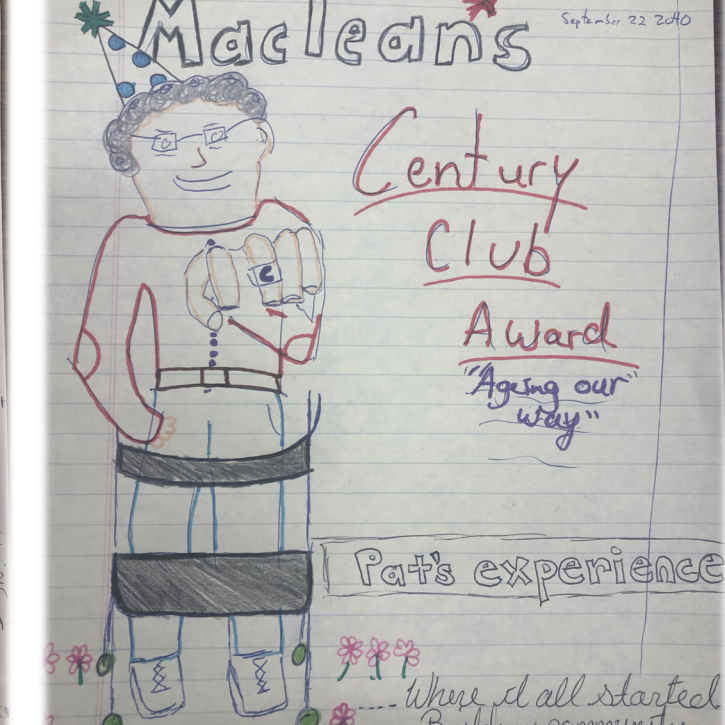
Saint John’s Café explored the needs of rural and aging populations.
Thought Leaders Stephen MacMackin and David Turner shared their experience of establishing seniors’ community housing in the rural setting of Hampton, NB.
“Community people, motivated just by their generosity and compassion for people in their community. I think that’s probably what’s going to be needed for most rural developments.“
– Café Participant
Participants agreed there are three major challenges affecting community housing:
- Increasing investment: Community housing needs to be built, but many financial institutions do not want to work with non-profit organizations
- Public will: Social stigma surrounding those struggling with housing creates barriers to housing
- Stable funding: Funding shortages for construction/start-up and ongoing operation of community housing
Hamilton, ON | Business Transformation and Workforce Development
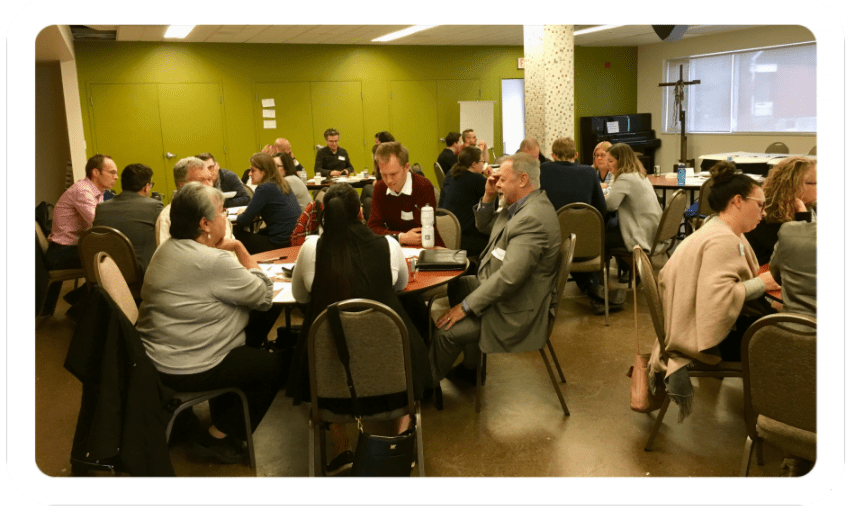
In Hamilton, participants focused on business transformation and workforce development in the community housing sector.
Thought Leaders Leigh Bursey, Margie Carlson, and Jeff Neven shared their experiences of business transformation and workforce development in Ontario’s community housing sector.
“If you’re trying to avoid risk and mitigate risk, there is no housing development for you. It’s not possible.”
– Café Participant
Participants identified seven priority areas for transforming community housing:
- Asset-based community: View housing as community fabric
- Show me the money! : Diversify revenue streams
- It’s about people: Humanize resources and view tenants as assets
- Reflect and renew: Challenge and reimagine barriers
- Lead with Evidence: Leverage data for business intelligence
- Team up, scale up: Involve other sectors
- Try new things: Freedom to experiment and take knowable risks
Edmonton, AB | Reconciliation
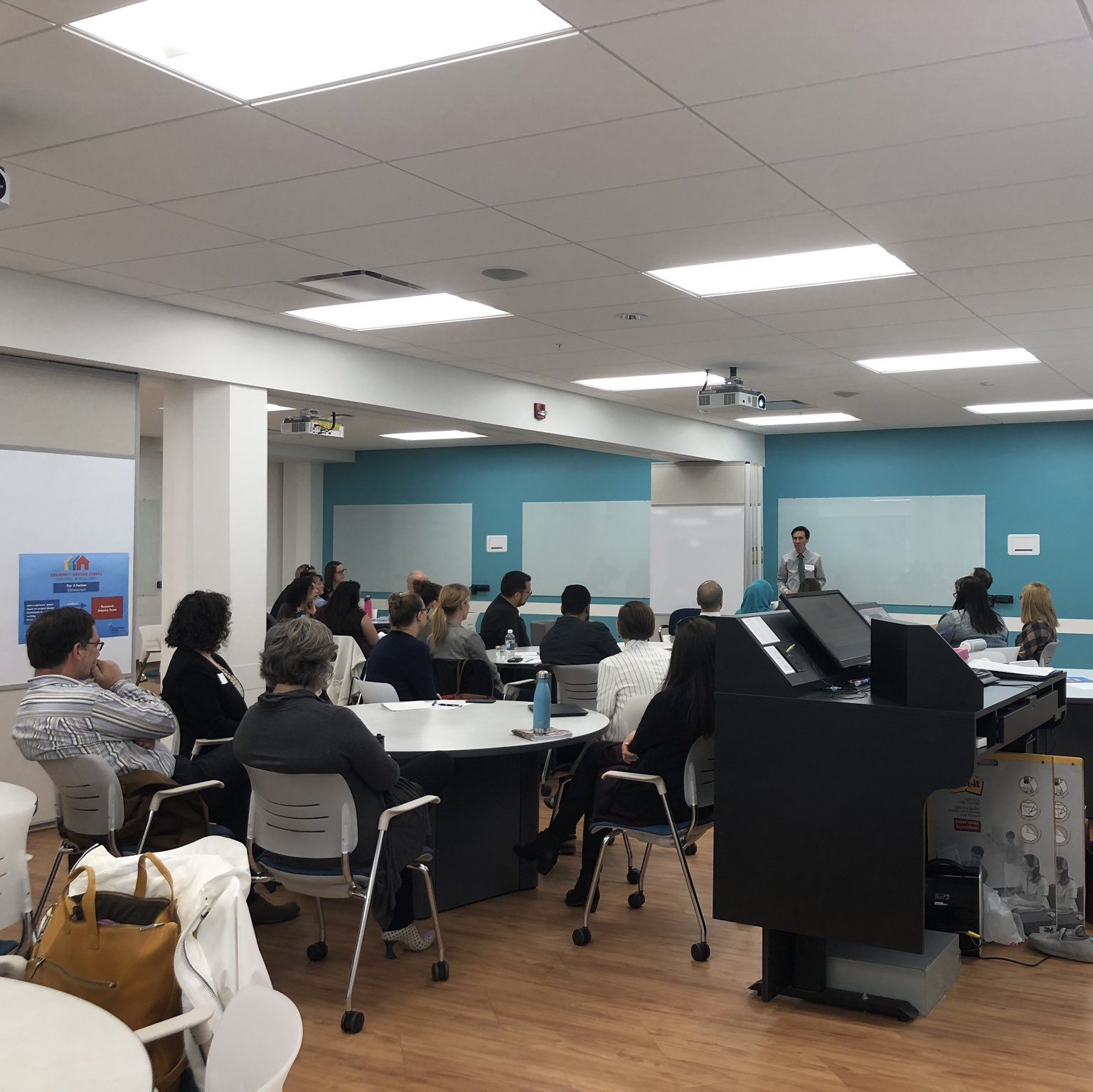
Edmonton focused on community housing sustainability in the context of reconciliation.
Thought Leaders Cheryl Whiskeyjack and Sarah Woodgate discussed the reconciliation and decolonization needed in Alberta’s community housing sector.
“In the month leading up to Christmas, we become so altruistic in Edmonton. We have that spirit where we come together, and then New Year’s comes, and we go back to normal. I wish we could hang on to that feeling. That’s the spirit of reconciliation.”
– Cheryl Whiskeyjack, Thought Leader
Participants agreed that there are roadblocks to reconciliation as it pertains to community housing:
- A lack of commitment to and understanding of reconciliation
- Western lens on housing
- Funding shortfalls – not just for housing, but for affordable living
- Election cycles that mean funding is not consistent
- Representation: Whose voices count and are valued?
- Ongoing prejudice and racism
Vancouver, BC | Impact of Climate Change
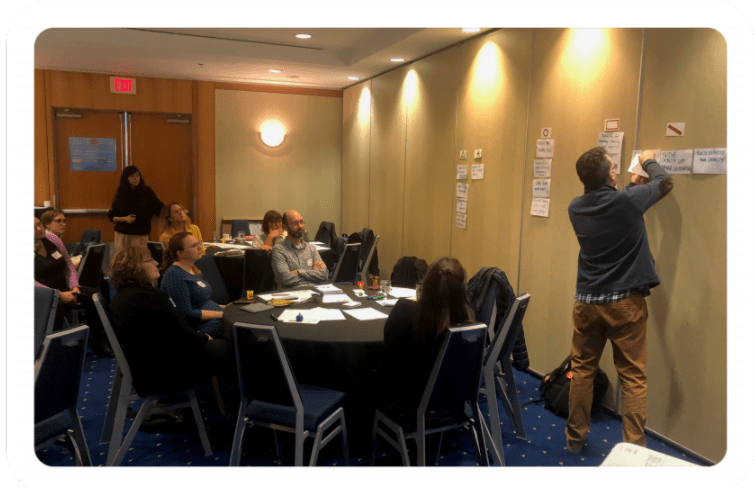
In Vancouver, participants discussed the impact of climate change on the sustainability and resiliency of the community housing sector.
Ian Cullis and Christine Williams shared their knowledge of climate change-related issues in BC’s community housing sector.
“The community housing sector is among the most vulnerable to the effects of climate change, and therefore it should be our highest concern.”
– Café Participant
Participants highlighted five priorities:
- Transformation, not transition: Accept that fundamental change is needed and be open to collective problem-solving on a massive scale
- Decolonizing and Indigenizing: Include Indigenous agencies and housing providers as equal partners in addressing climate change
- Resident focused: Embed inclusion in everyday practices and decisions
- Evaluate and improve: Measure, report and share
- results of interventions
- Address fragmentation: Sharing best practices is key to
- sustainability
